Does your cat enjoy being petted? Do you know where they like or hate to be touched? What if we made a cat with LINKKI that signals exactly where they want — and don't want — to be petted?
In this tutorial, we'll use a touch sensor. The human body stores and transmits small amounts of electricity. This means that when a conductor is connected to a circuit and touched, the flow of electricity changes. Based on this principle, everyday conductive materials — aluminum foil, fruits, coins, and more — can all act as touch sensors.
Let's make a cat that says a hard NO when petted where they don't like it.
Material
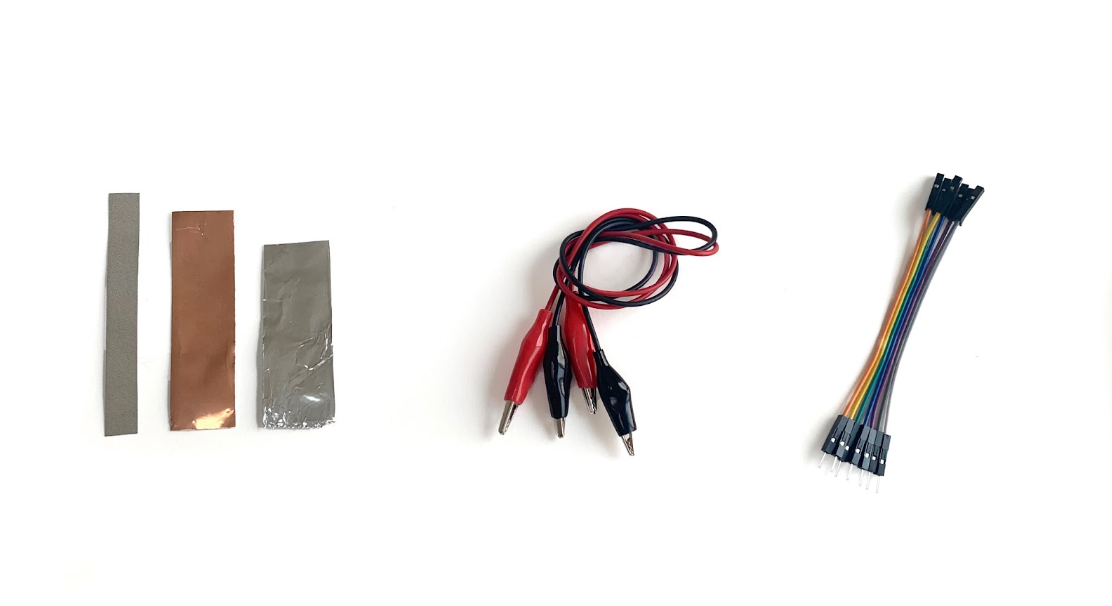
- - Conductive Tape (Use foil or any conductive material)
- - Alligator Clips x 2 (Add more based on the number of sensors.)
- - Jumper Cables (Female-Male) x 2
- - Microbit x 1
- - LINKKI Basic Kit x 1
- - Motor Kit x 1
Construction & Assembly
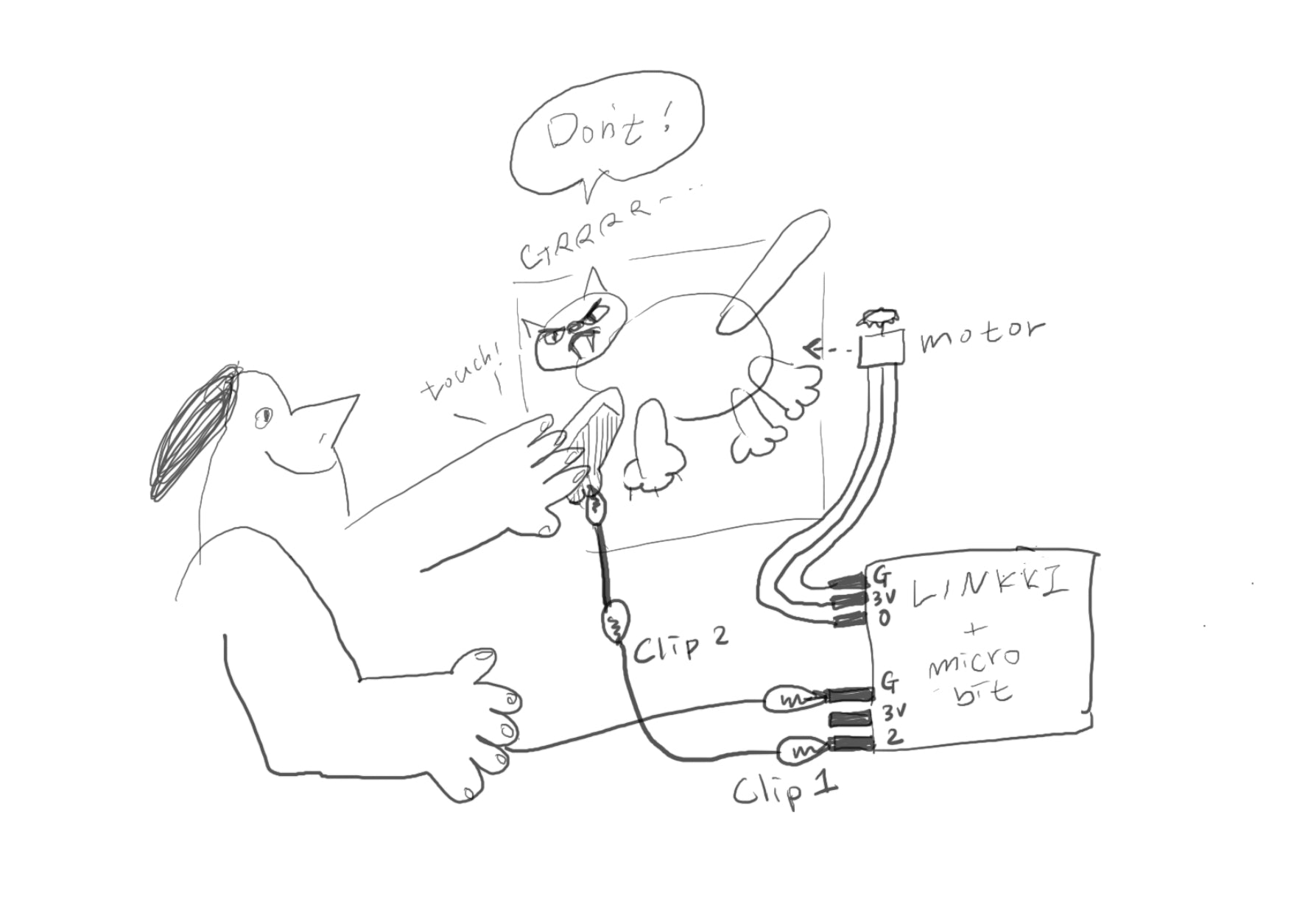
Connecting the Sensor - Attach conductive tape to the back of the paper. - Connect one side of alligator clip (1) to Microbit’s pin 2, and the other side to the tape. - Connect one side of alligator clip (2) to Microbit’s G pin, and hold the other side with your hand. - Now, touch the tape with your free hand—it acts as a sensor. Precautions - Make sure the G pin and 3V pin do NOT touch each other. - Larger sensors may increase sensitivity but also cause more noise.
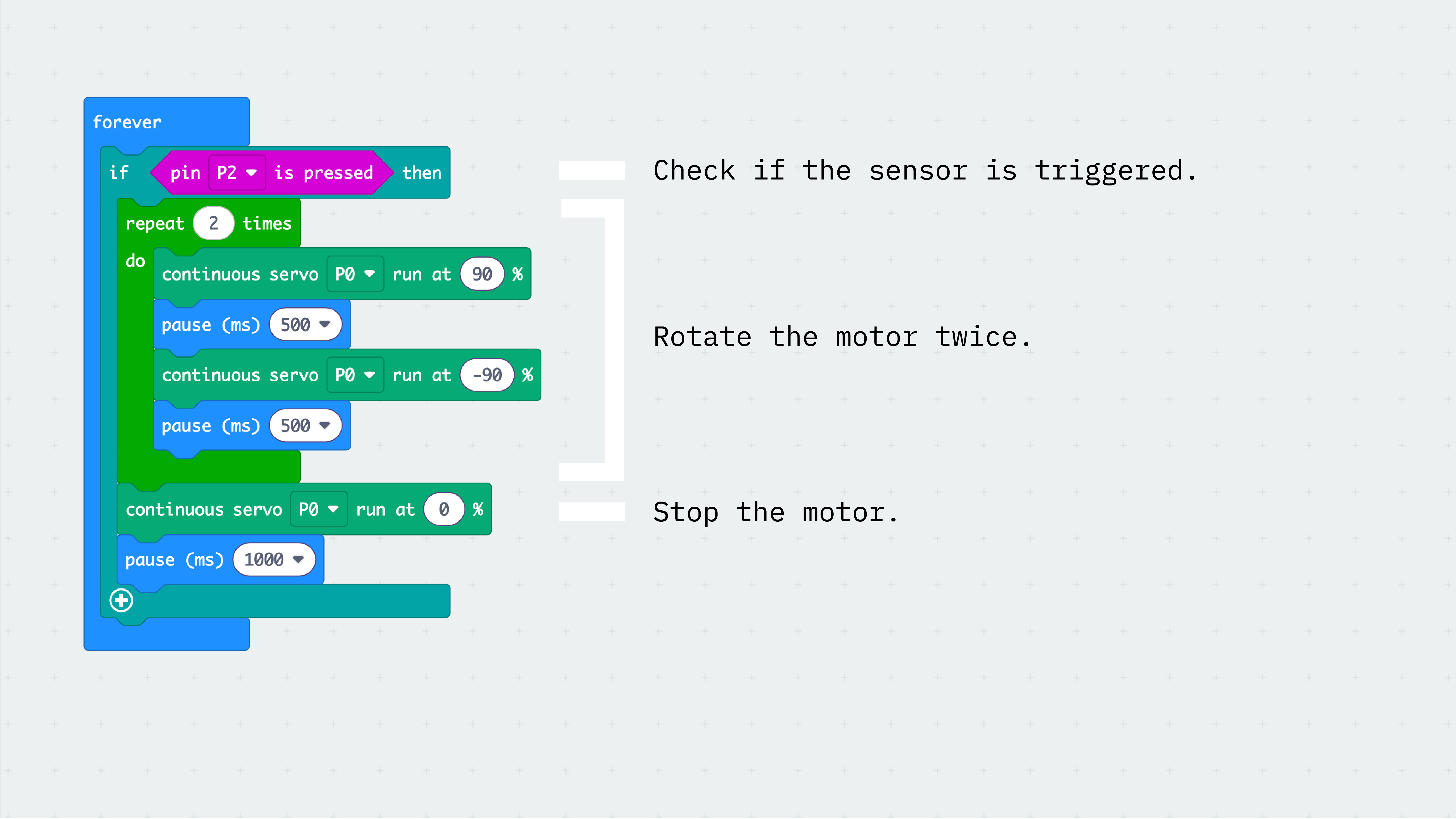
Further reading

How Does a Conductive Sensor Work? A conductive sensor works by completing an electric circuit, allowing current to flow through it. For example, if you connect the GND (ground) pin of the micro:bit to the foil used as a sensor and then touch the foil, current will flow through your hand. This completes the circuit, signaling the micro:bit that your hand is touching the foil. By creating this path for electricity, the sensor can detect your touch and function properly as a sensor. Read more Micro:bit [Conductivity tester] MakeCode official tutorial [Pin Pressed]

